FIVE-STAR TEAM WARRANTY &
SAME-DAY SERVICE

How Long Do Water Heaters Last? Typical Lifespan by Type (Homeowner’s Guide)
Your water heater works quietly behind the scenes every single day until one day it doesn’t. One of the most common questions homeowners ask is: “How long does a water heater last?”
The answer depends on the type of water heater, how well it’s maintained, and your local water conditions. In this guide, we’ll break down the typical lifespan of water heaters by type, warning signs of failure, and how to extend the life of your system all written from a professional plumbing perspective.
How Long Do Water Heaters Last on Average?
| Water Heater Type | Average Lifespan |
|---|---|
| Tank (Gas) | 8–12 years |
| Tank (Electric) | 10–15 years |
| Tankless | 15–20+ years |
| Heat Pump | 10–15 years |
| Solar | 20–25 years |
If your water heater is nearing these age ranges, it’s time to start planning not waiting for a sudden failure.
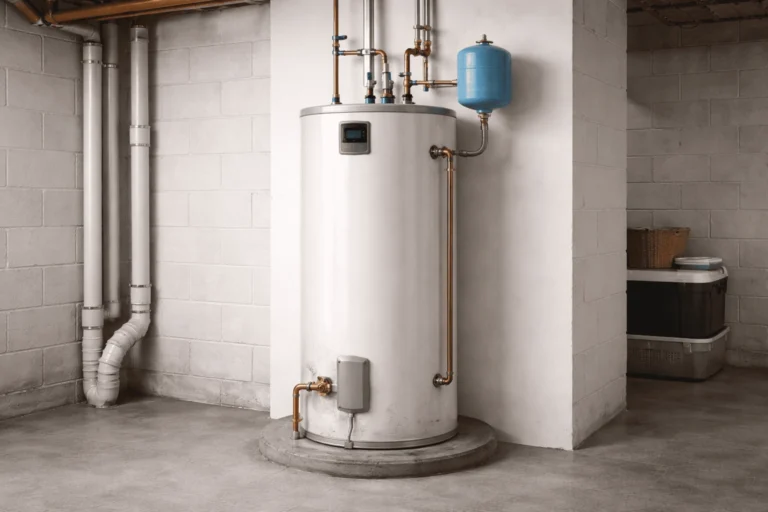
1. Traditional Tank Water Heaters (Gas & Electric)
Typical Lifespan
- Gas tank water heater: 8–12 years
- Electric tank water heater: 10–15 years
Tank water heaters store hot water continuously, which puts constant stress on the tank lining, heating elements, and internal components.
Why Tank Water Heaters Fail
- Sediment buildup from minerals
- Internal corrosion
- Failing anode rod
- Pressure stress inside the tank
Once corrosion begins inside the tank, replacement is usually the only safe option.
Pro Insight
Most homeowners don’t realize their tank water heater is aging because it still “works” until the bottom of the tank rusts out and causes a leak.
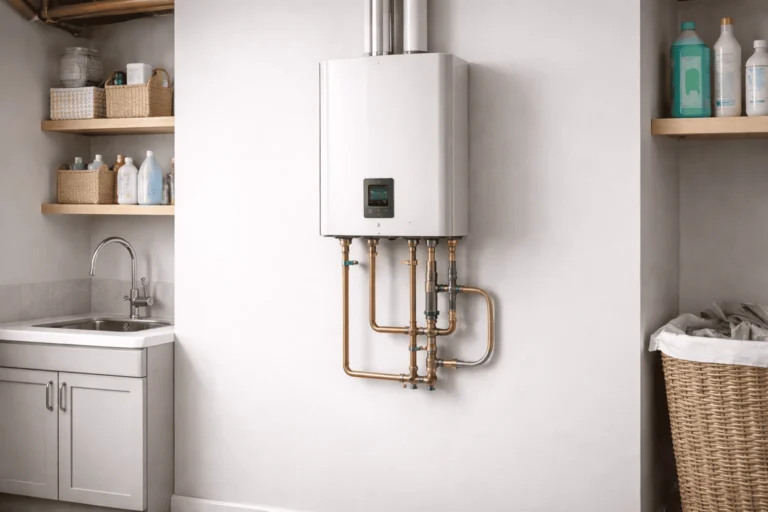
2. Tankless Water Heaters (On-Demand Systems)
Typical Lifespan
- 15–20 years or longer
Tankless water heaters heat water only when needed, which significantly reduces wear and tear.
Why Tankless Units Last Longer
- No storage tank = no rusting tank
- Less sediment accumulation
- Replaceable internal components
- Higher efficiency operation
Important Note
Tankless systems require annual descaling, especially in hard-water areas. Skipping maintenance shortens lifespan dramatically.
3. Heat Pump (Hybrid) Water Heaters
Typical Lifespan
- 10–15 years
Heat pump water heaters move heat rather than generating it directly, making them energy-efficient but mechanically more complex.
What Impacts Lifespan
- Proper airflow and space
- Electrical stability
- Routine filter cleaning
These units perform best in garages or utility rooms with stable temperatures.
4. Solar Water Heaters
Typical Lifespan
- 20–25 years
Solar systems last longer due to fewer moving parts, though pumps and controls may need replacement over time.
What Shortens a Water Heater’s Lifespan?
Several factors can reduce how long your water heater lasts:
- Hard water (mineral buildup)
- Lack of annual maintenance
- High water pressure
- Incorrect installation
- Oversized or undersized unit
- Old or missing anode rod
Many early failures are preventable with basic professional maintenance.
Warning Signs Your Water Heater Is Near the End
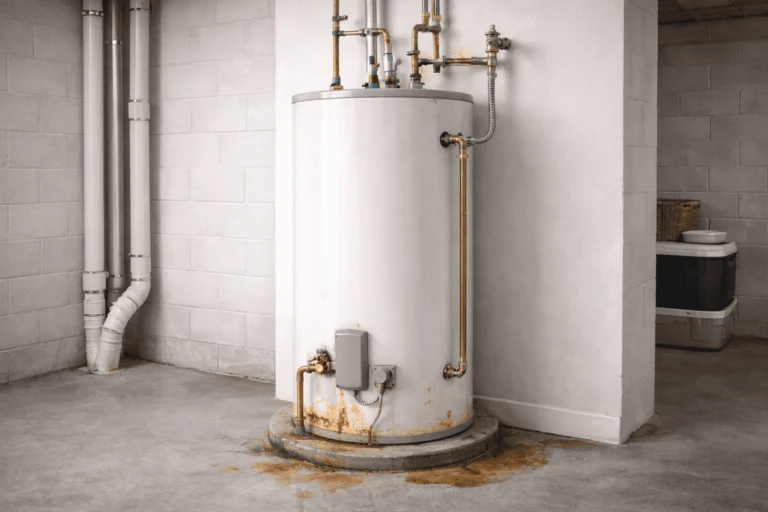
If you notice any of these issues, your water heater may be failing:
- Rust-colored or metallic-smelling water
- Rumbling or popping noises
- Water pooling near the base
- Inconsistent water temperature
- Rising energy bills
- Unit is over 10 years old
A leaking tank is a plumbing emergency it can flood your home quickly.
How to Extend the Life of Your Water Heater
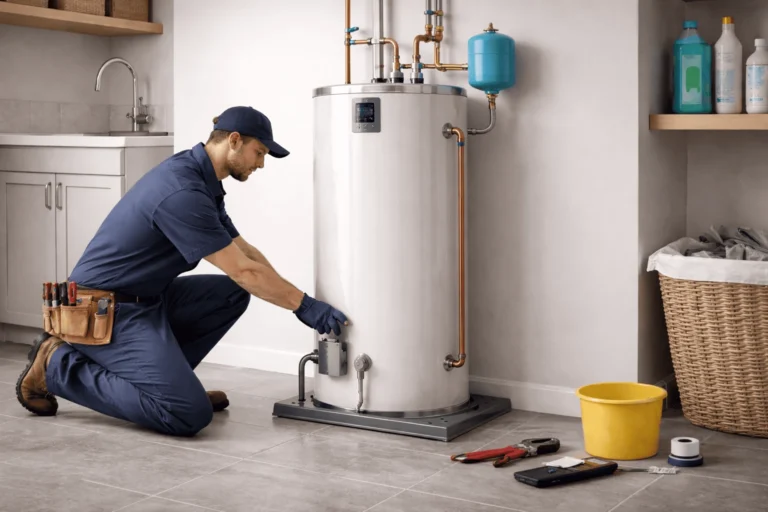
1. Flush the System Annually
Removes sediment that causes overheating and corrosion.
2. Inspect or Replace the Anode Rod
This rod protects the tank from rust. Replacing it can add years to the system’s life.
3. Install a Water Softener
Especially important in hard-water areas.
4. Schedule Professional Maintenance
A licensed plumber can catch issues early before they become costly failures.
Repair vs. Replace: What’s the Smarter Choice?
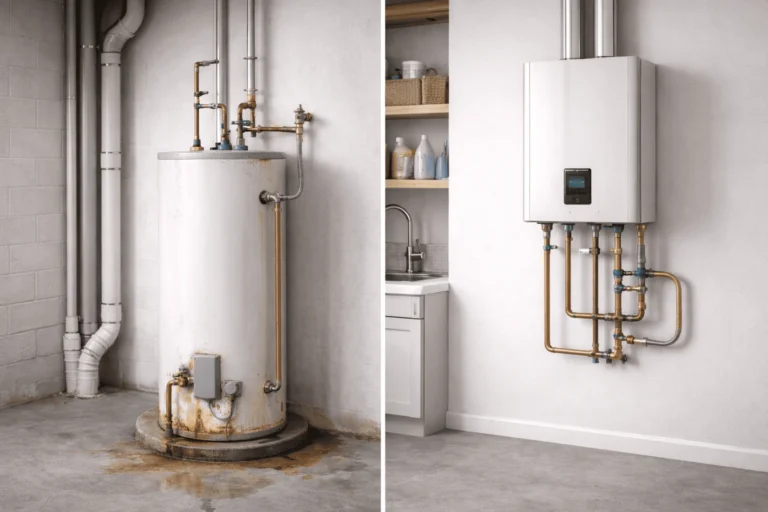
Replacement is usually recommended when:
- The unit is over 10–12 years old
- Repairs cost more than half the price of a new unit
- There is internal tank corrosion
- The system no longer meets household demand
Planning ahead prevents emergency replacements and water damage.
Frequently Asked Questions
How long does a water heater last on average?
Most water heaters last 8–12 years, while tankless models can last 20 years or more with proper care.
Can a water heater last 20 years?
Yes tankless and solar water heaters often reach 20+ years, especially with routine maintenance.
Does water heater maintenance really matter?
Absolutely. Annual maintenance can extend lifespan by several years and reduce energy costs.
Should I replace my water heater before it fails?
Yes. Replacing an aging unit proactively avoids flooding, water damage, and emergency service costs.
Final Thoughts
Understanding how long water heaters last by type helps homeowners avoid surprise breakdowns, water damage, and unnecessary expenses. Whether you have a traditional tank or a modern tankless system, knowing the signs of aging and maintaining your unit makes all the difference.
If your water heater is aging, making noise, or struggling to keep up with hot demand, schedule a professional inspection today. Early action can save thousands in repairs and prevent sudden failure.
Post views: 48
Latest posts

Signs Your Sewer Line Is Collapsing And What It Costs to Fix in California
If this is happening to your home, it usually starts to destroy you foundation and your yard. There is nothing...

How Much Does Sewer Line Replacement Cost in California? 2026 Breakdown
In 2026, the average sewer line replacement cost in California ranges from 6,500 to 22,000 dollars. The final price...


If you still have questions or need advice, please leave a request and we will contact you as soon as possible
Need a plumber and got no clue where to start?
(408) 539-6936Facing a plumbing issue? Get a FREE in-person estimate and quick solutions from our skilled technicians, ensuring your home runs smoothly again!