FIVE-STAR TEAM WARRANTY &
SAME-DAY SERVICE

Does LED Flickering Mean an Electrical Problem?
What California Homeowners Need to Know
LED lights are popular in California homes because they use less energy and last longer than older bulbs. When LED lights begin to flicker, many homeowners wonder whether the problem is minor or a sign of something more serious. In most cases, yes, LED flickering points to an electrical issue. The seriousness depends on what causes the flicker.
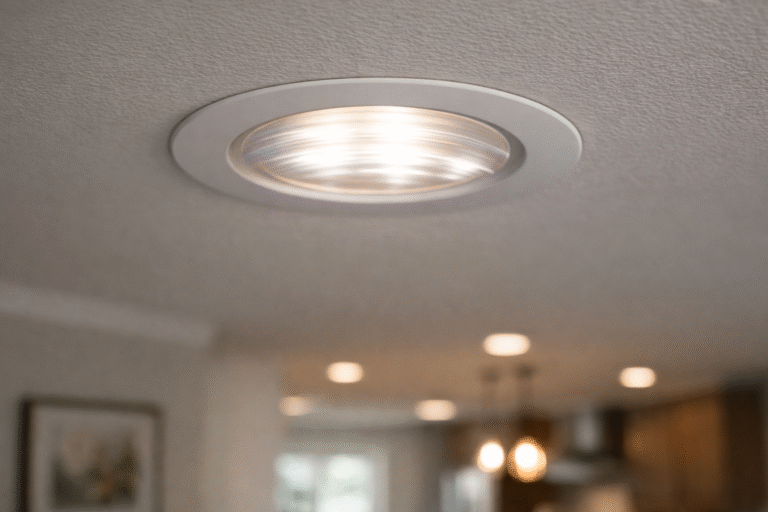
Does LED Flickering Mean There Is an Electrical Problem?
In most cases, yes, but the exact cause matters. LED lights often flicker because of incompatible dimmer switches, voltage changes, loose wiring, or overloaded circuits. Older California homes experience these problems more often because their electrical systems were not built for low wattage LED lighting. Some causes are easy to fix. Other causes suggest a safety issue that needs attention.
Why Do LED Lights Flicker in California Homes?
Several factors make LED flickering more common in California homes. Many houses still rely on older wiring systems that do not support modern lighting. Dimmer switches designed for incandescent bulbs often fail to work correctly with LEDs. During heat waves, heavy energy use can strain the power grid and cause voltage changes. Aging electrical panels and loose connections can also affect lighting stability.
How Can You Tell What Is Causing the Flickering?
Paying attention to when the flickering happens can help identify the problem.
Flickering Only When Lights Are Dimmed
Lights that flicker only when dimmed often point to dimmer compatibility issues.
Flickering When Appliances Turn On
Flickering that happens when large appliances turn on usually signals a voltage drop.
Flickering in Multiple Rooms
When lights flicker in several rooms at once, the issue may involve the electrical panel or wiring.
Flickering With Buzzing or Warm Outlets
Buzzing sounds or warm outlets suggest a wiring problem that needs quick attention.
Is LED Flickering Dangerous?
Sometimes, yes. Minor flickering from dimmer issues usually does not pose a risk. Flickering linked to loose wiring or failing connections can increase the chance of electrical fires. Contact an electrician if flickering comes with burning smells, buzzing noises, warm outlets, frequent breaker trips, or lights dimming throughout the house.
Can Dimmer Switches Cause LED Flickering?
Yes. Dimmer switches cause LED flickering more often than many homeowners realize. Older dimmers were made for incandescent bulbs and do not control LED power correctly. LED lights need LED rated or ELV dimmers to operate properly. Replacing the dimmer often fixes the problem without further electrical work.
Why Do LED Lights Flicker When Appliances Turn On?
This usually happens because of a voltage drop. Appliances like air conditioners, washers, and microwaves draw extra power when they start. Homes with aging panels or limited electrical capacity may struggle to handle that demand, causing lights to flicker or dim.
Do Older California Homes Have More LED Problems?
Yes. Homes built decades ago often use shared circuits, outdated panels, and worn wiring. These conditions make LED flickering more likely. Updating certain electrical components can improve lighting performance and increase safety.
How Much Does It Cost to Fix Flickering LED Lights in California?
Costs depend on the source of the problem. Replacing a dimmer switch usually costs the least. Wiring repairs can cost more based on how difficult the repair is. Panel upgrades tend to cost the most, especially in older homes. A professional inspection helps identify the best solution and avoid unnecessary expenses.
Is It Worth Fixing Flickering LED Lights?
Yes. Ignoring flickering can shorten bulb life, waste energy, and lead to larger repairs later. Some issues also increase safety risks if left unchecked. Fixing the problem early helps keep the electrical system safe and reliable.
When Should You Call an Electrician?
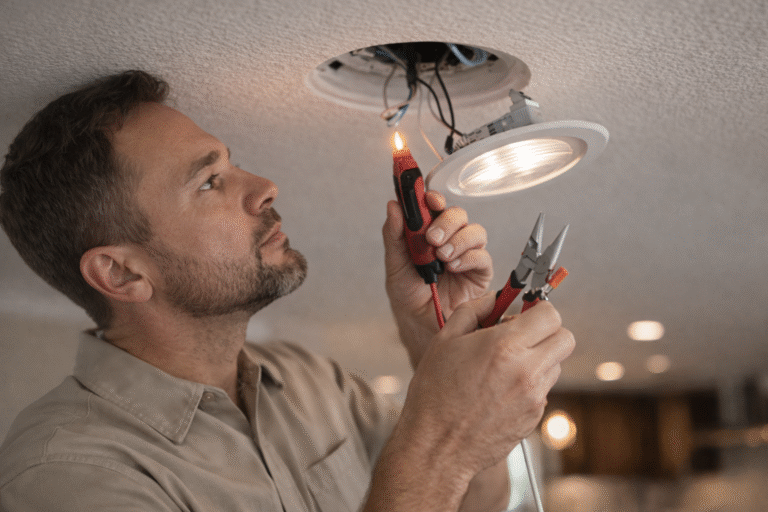
Call a licensed electrician if flickering happens often, if lights dim when appliances run, if multiple rooms are affected, or if the home has an older electrical panel or aluminum wiring.
Key Takeaway for California Homeowners
LED flickering rarely comes from the bulb alone. Electrical systems often cause the problem. Finding the cause early helps protect the home, improve efficiency, and reduce long term risks, especially in older California houses.
Post views: 14
Latest posts

How Much Does Sewer Line Replacement Cost in California? 2026 Breakdown
In 2026, the average sewer line replacement cost in California ranges from 6,500 to 22,000 dollars. The final price...

Trenchless Sewer Repair vs Traditional Digging: Cost, Pros & Cons in California (2026 Guide)
In California, trenchless sewer repair typically costs between $6,000 and $18,000, while traditional sewer line...


If you still have questions or need advice, please leave a request and we will contact you as soon as possible
Need a plumber and got no clue where to start?
(408) 539-6936Facing a plumbing issue? Get a FREE in-person estimate and quick solutions from our skilled technicians, ensuring your home runs smoothly again!