FIVE-STAR TEAM WARRANTY &
SAME-DAY SERVICE

Low Water Pressure After Repiping? Here’s Why It Happens
You finally invested in a whole-home repipe expecting better water flow and fewer plumbing issues. Instead, you turn on the shower and the pressure feels weaker than before.
This is actually a surprisingly common concern homeowners experience after repiping. The good news is that most causes are fixable once the source is identified.
In California homes, factors like mineral buildup, pipe sizing, soil conditions, slab construction, and municipal pressure limits can all play a role.
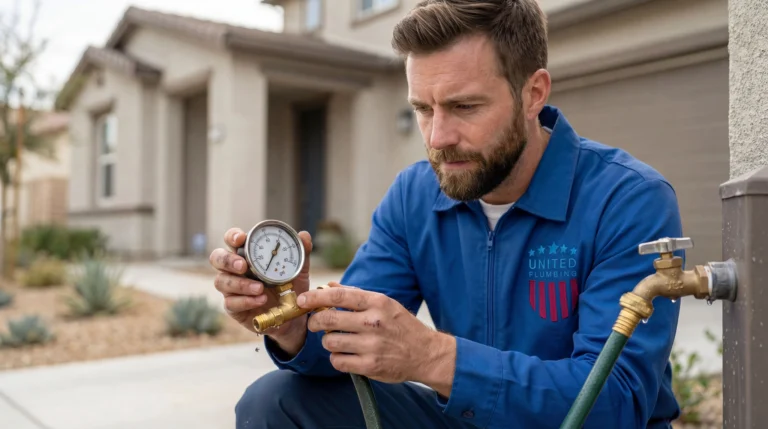
Low water pressure after repiping usually occurs due to improper pipe sizing, partially closed valves, debris left in the plumbing lines, pressure regulator issues, or problems with the home’s main water supply. In California homes, especially slab homes or older properties with mineral-heavy water, pressure issues may also appear when sediment or debris clogs fixtures after new pipes are installed.
Cost Breakdown (California)
| Issue | Typical Cost in California |
|---|---|
| Pressure regulator replacement | $250 – $800 |
| Valve adjustment or replacement | $150 – $500 |
| Debris flushing / pipe cleaning | $150 – $400 |
| Fixture replacement (clogged aerator or shower head) | $50 – $300 |
| Incorrect pipe sizing correction | $1,500 – $4,000 |
| Water main line repair | $2,000 – $7,000 |
Costs can vary depending on soil conditions, home age, and whether the home sits on a slab foundation.
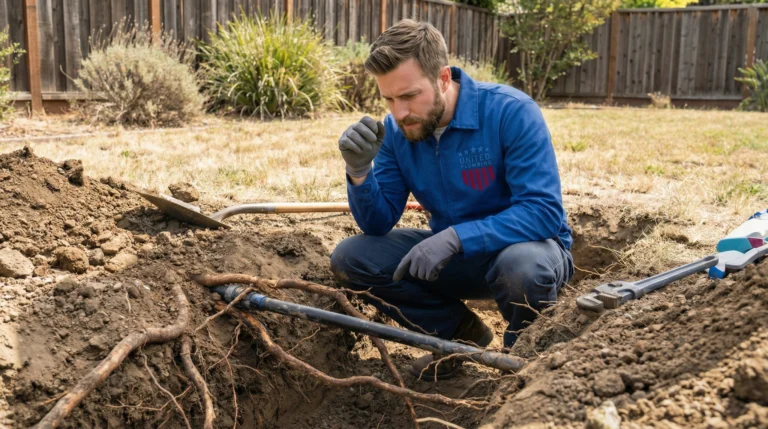
Homes in California with expansive clay soil or tree root intrusion near the water line may also experience underground pipe pressure restrictions.
Why Low Water Pressure Repiping Problems Happen
Several technical issues can cause pressure problems after a plumbing repipe.
1. Partially Closed Valves After Repiping
After a repipe, the main shut-off valve or fixture valves may not be fully reopened. Even a slight restriction can significantly reduce water pressure.
2. Debris Inside Pipes Causing Low Water Pressure
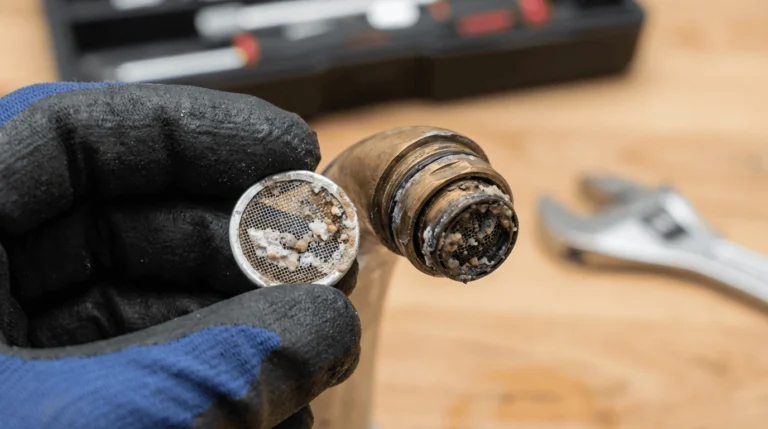
During installation, small amounts of debris or solder particles can enter the pipes. These particles often get trapped in:
- faucet aerators
- shower heads
- appliance valves
This reduces flow at fixtures.
3. Incorrect Pipe Size After Repiping
If the repipe used pipes that are too small for the home’s plumbing demand, water pressure can drop when multiple fixtures run at the same time.
4. Pressure Regulator Issues
Many California homes have a pressure reducing valve (PRV) installed to comply with municipal plumbing codes.
If the regulator is old or damaged during the repipe process, it may limit water pressure.
5. Mineral Buildup Reducing Water Pressure
California water can contain calcium and mineral deposits that quickly clog fixture screens when new plumbing is installed.
Slab Homes and Underground Factors
Homes built on concrete slab foundations are more complex when diagnosing pressure issues.
If underground plumbing was partially replaced, remaining sections may still contain:
- pipe corrosion
- root intrusion
- pressure restrictions
California’s shifting soil can also create subtle pipe bends that affect flow.
Permit and Inspection Considerations
Most repiping projects in California require city permits and plumbing inspections.
If pressure issues occur after installation, homeowners should confirm:
- The repipe passed inspection
- Pipe sizing meets California plumbing code
- The pressure regulator was tested
Reputable plumbing companies should address these issues under workmanship guarantees.
Insurance Considerations
Homeowners insurance typically does not cover low water pressure caused by installation errors, but it may cover:
- pipe damage from tree roots
- underground water line leaks
- sudden pipe failures
If pressure loss is connected to water main damage or underground pipe collapse, insurance may help with repairs.
When to Repair vs Replace
Repair Is Usually Enough When:
- Valves are partially closed
- Fixtures are clogged with debris
- Pressure regulator needs adjustment
- Aerators are blocked
Replacement May Be Necessary When:
- Pipes were incorrectly sized during repiping
- Underground water lines are damaged
- Tree roots have compromised supply lines
- Older galvanized lines remain partially connected
Is It Worth Fixing?
Absolutely.
Water pressure problems are usually minor adjustments rather than major repairs.
Most homeowners resolve the issue with a simple inspection and flushing of fixtures.
Fixing pressure issues quickly also prevents additional plumbing strain and improves appliance performance.
If your home recently had a repipe and the water pressure still feels weak, the issue should be inspected before it worsens.
A professional plumbing inspection can quickly identify whether the problem is a simple valve adjustment or something deeper in the system.
Call (408) 528-2890 to schedule a plumbing inspection and restore proper water pressure in your home.
Post views: 8
FAQ Section
Why is my water pressure worse after repiping?
This is usually caused by partially closed valves, debris inside pipes, or clogged aerators after installation.
How long does it take for water pressure to stabilize after repiping?
Most homes should have normal pressure immediately after installation. If pressure remains low after 24 hours, a plumber should inspect the system.
Can a pressure regulator cause low water pressure?
Yes. If the pressure reducing valve is damaged or incorrectly set, it can limit water flow throughout the house.
Should I call the plumber who did the repipe?
Yes. Many repipe contractors offer workmanship warranties, and pressure problems may be corrected at no cost.
Does repiping increase home value?
Yes. Whole-home repiping improves plumbing reliability and can increase property value, especially in older California homes.
Can tree roots affect water pressure?
Yes. Tree roots can damage underground pipes or compress supply lines, reducing water flow.
Latest posts
Why Does My Drain Keep Gurgling? (Causes, Costs & When to Fix It)
You’re standing at the sink and suddenly hear a strange gurgling noise from the drain. It might seem harmless at...
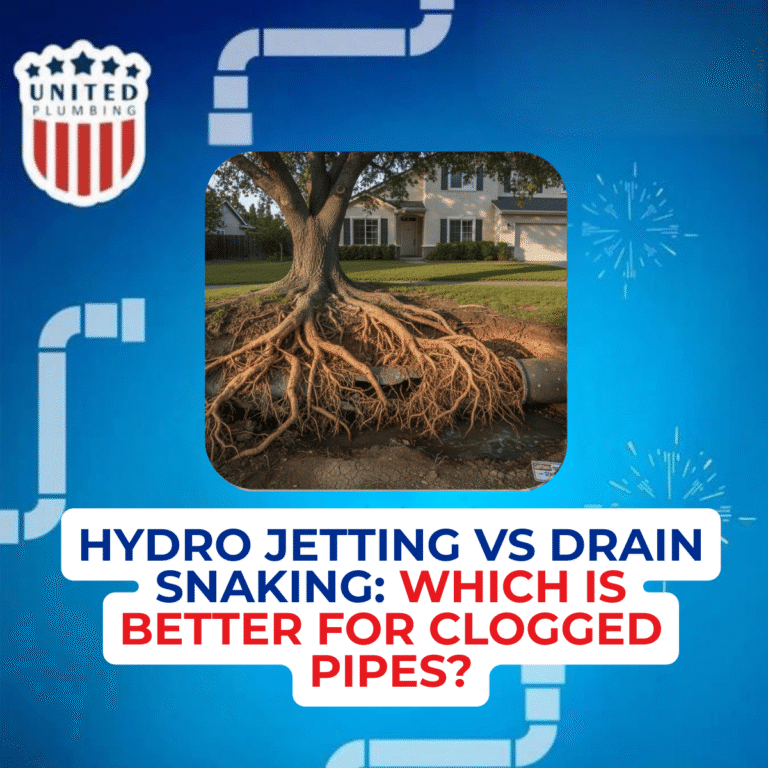
Hydro Jetting vs Drain Snaking: Which Is Better for Clogged Pipes?
A clogged drain is frustrating enough. But when the clog keeps coming back, it usually means something deeper is...


If you still have questions or need advice, please leave a request and we will contact you as soon as possible
Need a plumber and got no clue where to start?
(408) 539-6936Facing a plumbing issue? Get a FREE in-person estimate and quick solutions from our skilled technicians, ensuring your home runs smoothly again!