
California’s Gas Water Heater Ban: The Bay Area Water Heater Rule Homeowners Need to Know
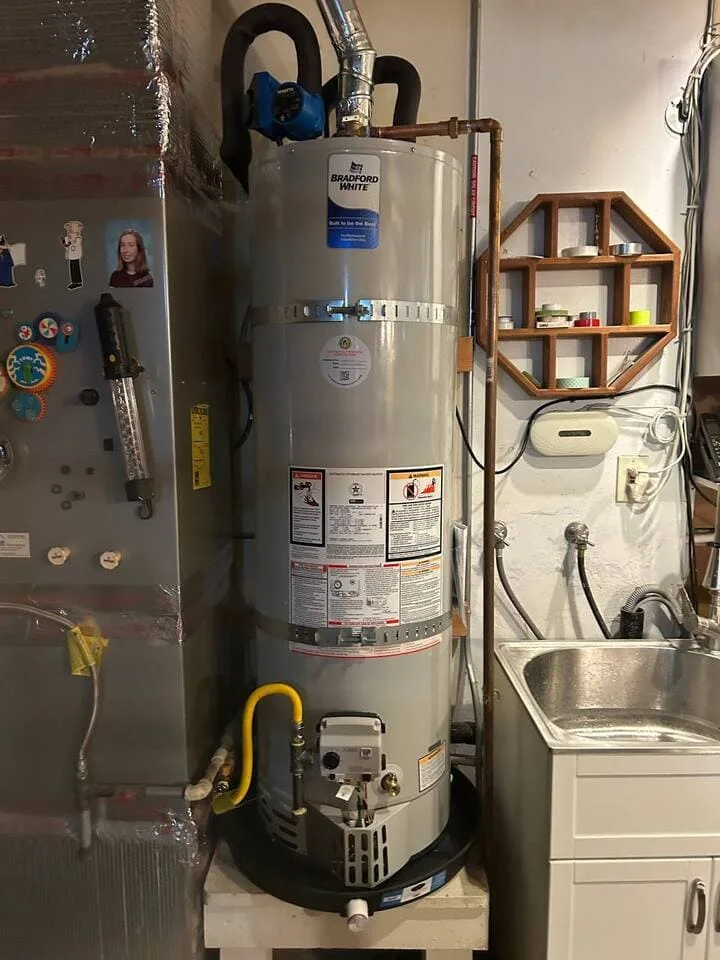
Bay Area people, stop scrolling! January 1, 2027 – that’s when BAAQMD starts enforcing a zero-NOx emission standard on new residential water heaters under 75,000 BTU/hour, the size category covering nearly every standard household tank unit. Santa Clara County is where it applies: San Jose, Santa Clara, Cupertino, Palo Alto, Sunnyvale, Campbell, Saratoga, Los Altos, Los Gatos, Belmont, Atherton. Here’s the catch – no natural gas storage tank water heater on the market today actually meets a zero-NOx limit. So in practice, homeowners won’t be able to install a new gas storage tank water heater once their existing unit needs replacing.
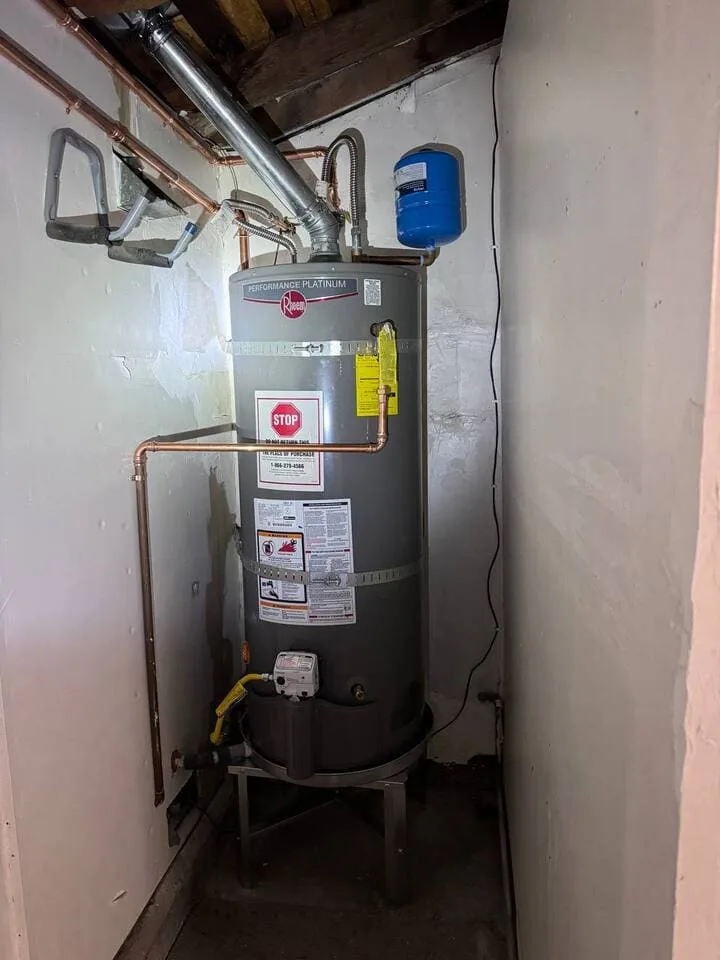
This rule, formally known as Regulation 9, Rule 6 (9-6), has governed nitrogen oxide emissions from natural gas water heaters since 1992. In March 2023, the Air District’s Board of Directors amended it to phase in a zero-NOx standard, with the smallest residential units – the ones in most homes – hitting their compliance deadline first, in 2027. Larger residential and commercial units follow on later timelines, into 2029 and 2031.
A Possible Delay Is on the Table
One wrinkle worth knowing: as of mid-2026, BAAQMD published draft amendments pushing the residential compliance date back a full year – January 2027 to January 2028 – while adding exemptions for low-income property owners and homes where an electrical panel or space constraint makes immediate transition impractical. Those amendments haven’t been formally adopted as of this writing, though. The original January 1, 2027 deadline still stands as the rule of record. Homeowners in San Jose, Santa Clara County, and cities like Cupertino, Palo Alto, and Sunnyvale should check BAAQMD’s implementation page directly, since the effective date could still move. A licensed local contractor like United HVAC Plumbing and Electrical can help confirm the current timeline for your specific city too.
What the Bay Area Water Heater Rule Changes – and What It Doesn’t
Replacement-only, not a forced removal. You are not required to rip out a functioning gas water heater. If your current unit is running fine, nothing about this rule obligates you to touch it before it reaches the end of its life. Water heater repair remains an option throughout Santa Clara County for homeowners who just want to keep an existing unit running a while longer.
Repairs and maintenance remain fully legal. Servicing a gas water heater, repairing it, swapping parts on it – none of that is affected. Keep maintaining an older unit for as long as you want. United HVAC Plumbing and Electrical technicians handle water heater repair calls regularly in San Jose, Santa Clara, Campbell, Saratoga, and Los Gatos for homeowners going this route.
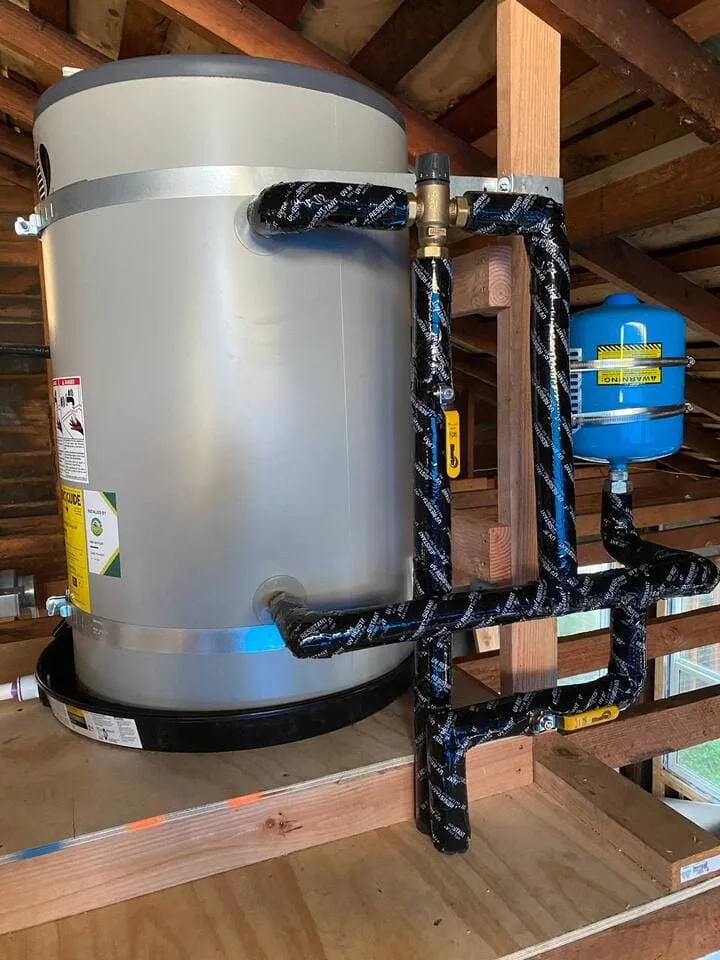
New installations must be zero-emission. The restriction kicks in at the point of sale and installation. Once your old gas tank water heater fails after the effective date, contractors will no longer be able to sell or install a new gas tank replacement – the new unit will need to meet the zero-NOx standard, which in practice means a heat pump water heater.
Exemptions exist. Carve-outs cover certain low-income households, homes with severe space constraints, and situations where a major electrical panel upgrade would be needed but isn’t feasible. BAAQMD’s proposed 2026 amendments have been expanding that scope, so eligibility is worth confirming directly with the district or with a licensed contractor – United HVAC Plumbing and Electrical serves Los Altos, Los Gatos, Belmont, and Atherton, on top of San Jose and the rest of Santa Clara County.