
PLUMBING GUIDES · SAN JOSE, CA
Sewer Line Belly in San Jose: Signs, Causes & Repair Options
Dealing with recurring drain backups? Learn what causes a sewer line belly, how plumbers diagnose it, which repairs actually work, and what affects repair costs in San Jose.

Recurring sewer backups can be frustrating, especially when drain cleaning only provides temporary relief. If the same problems keep returning, the issue may be deeper than a typical clog. One possible cause is a sewer line belly, a sagging section of underground pipe where wastewater and debris collect.
For homeowners in San Jose and surrounding Bay Area communities, sewer line problems may be associated with soil settlement, aging pipes, or improper installation. Understanding the cause is important because different types of damage require different repair methods.
In this guide, we'll explain how to recognize a sewer line belly, what causes it, how a professional inspection works, and which repair options may be appropriate.
→ QUICK ANSWER · SEWER LINE BELLY
What Is a Sewer Line Belly? A sewer line belly is a low section of an underground sewer pipe where wastewater collects because the pipe has lost its proper downward slope. This can lead to slow drains, recurring blockages, and sewage backups.
Drain cleaning may temporarily remove accumulated debris, but it cannot correct the pipe’s slope. A sewer camera inspection helps identify the affected section and determine whether pipe realignment or replacement is needed.
What Causes a Sewer Line Belly?
A sewer line belly develops when part of an underground pipe settles below its intended slope. Instead of flowing steadily toward the main sewer connection, wastewater collects in the low section. Over time, sediment and debris may accumulate, increasing the risk of recurring blockages.
Several conditions can contribute to this problem.
Soil Settlement and Ground Movement
Soil beneath a buried sewer pipe can gradually shift or compact, leaving part of the line without adequate support. Changes in moisture and ground conditions may also affect the stability of the surrounding soil.
Improper Pipe Installation
A sewer line needs consistent downward grading and proper bedding. If the pipe was installed with insufficient support or an uneven slope, a low spot may develop or become more pronounced over time.
Aging Sewer Pipes
Older clay and other rigid sewer pipes may become vulnerable to joint separation, cracking, or displacement as surrounding ground conditions change. These problems can affect alignment and contribute to drainage issues.
Tree Root Intrusion and Soil Disturbance
Tree roots can enter damaged pipe joints and cracks, creating blockages and potentially worsening existing damage. Root intrusion does not automatically mean a sewer line has developed a belly, but the two problems can occur together.
In San Jose, the cause of a sewer line belly cannot be determined from the age of the home or drain symptoms alone. A professional inspection is needed to identify the affected section and evaluate its condition.
Signs of a Sewer Line Belly
A sewer line belly can cause symptoms similar to an ordinary drain clog. The biggest warning sign is a drainage problem that keeps returning, even after the sewer line has been cleaned.
Here are five signs worth paying attention to.
-
01
Slow Drains Throughout the House
If several fixtures, such as toilets, showers, and sinks, drain slowly at the same time, the problem may be in the main sewer line rather than an individual drain.
-
02
Recurring Sewer Backups
Drain cleaning may temporarily remove debris from a sagging pipe. If the pipe's slope remains unchanged, wastewater and solids can collect again, causing repeated blockages.
-
03
Gurgling Toilets and Drains
Bubbling sounds when another plumbing fixture is running can indicate restricted flow or a venting issue. They do not, by themselves, confirm a sewer belly.
-
04
Persistent Sewer Odors
Unpleasant smells near drains or sewer access points may signal a blockage, damaged pipe, or another drainage problem requiring investigation.
-
05
Wet or Unusually Green Patches in the Yard
Soggy ground or unusually green grass near the sewer line may indicate an underground leak. A sewer belly does not necessarily cause leakage.
How Is a Sewer Line Belly Diagnosed?
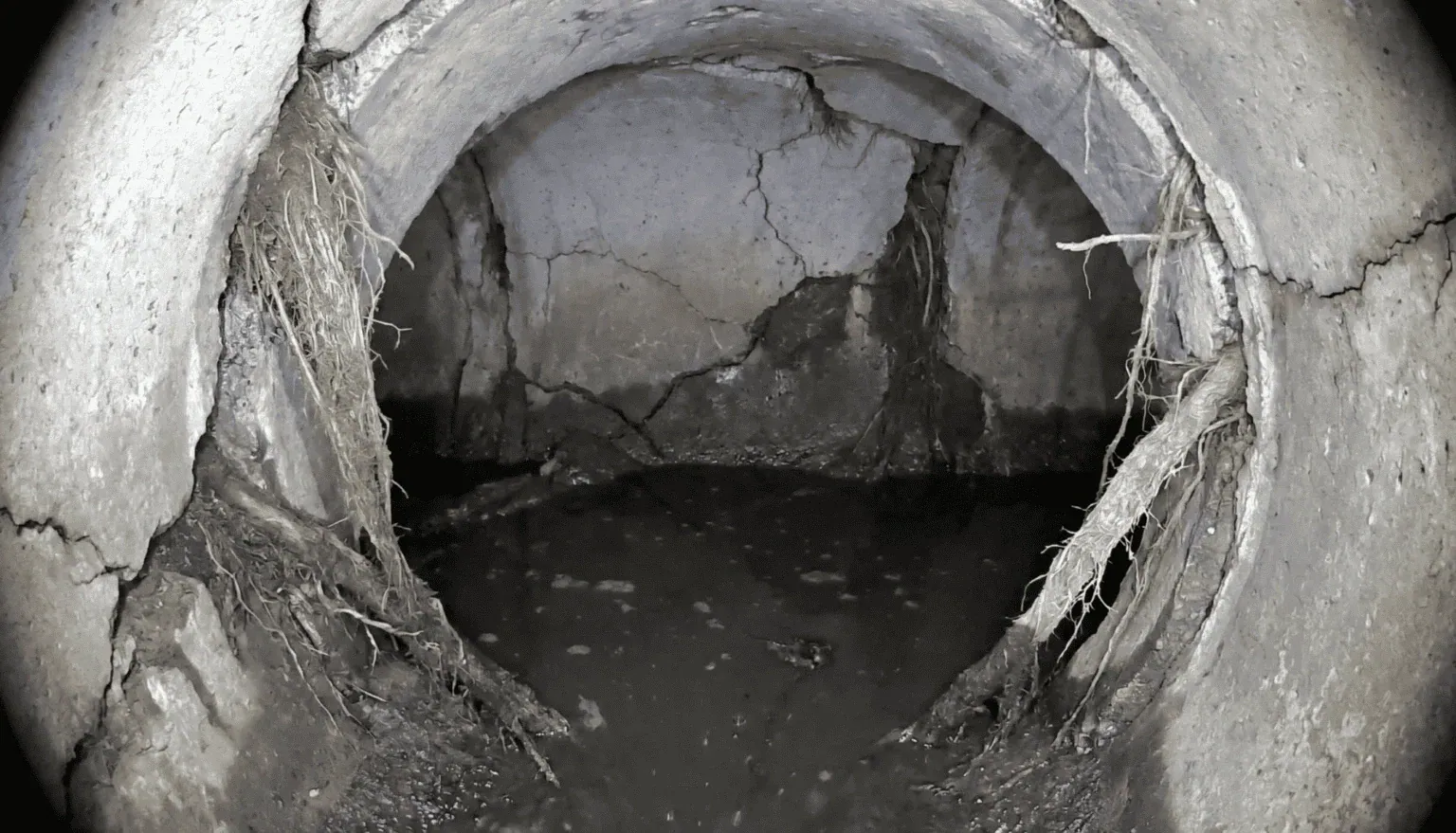
The most useful first step in diagnosing a suspected sewer line belly is a professional sewer camera inspection. It allows a plumber to examine the inside of the underground pipe and identify areas where wastewater, sediment, or debris may be collecting.
During the inspection, a waterproof camera is inserted through a sewer cleanout and guided along the pipe. The live video can reveal:
Standing wastewater that remains in a section of pipe after normal flow has stopped.
Sediment and debris buildup that may contribute to recurring blockages.
Cracked or displaced pipe joints caused by deterioration or ground movement.
Tree root intrusion and other obstructions affecting drainage.
However, standing water alone does not prove that a pipe has lost its proper slope. The plumber may need to locate the affected section underground and assess pipe elevations or grading before confirming a sewer belly.
Once the problem has been identified, the technician can determine its location, evaluate the condition of the surrounding pipe, and recommend an appropriate repair method.
A sewer camera inspection helps homeowners in San Jose avoid unnecessary excavation and make decisions based on the actual condition of their sewer line.
Recurring Sewer Backups? Find the Cause.
If your drains keep backing up, the problem may be deeper than a routine clog. United HVAC, Plumbing & Electrical helps San Jose homeowners identify underground sewer line problems through professional inspections and recommend appropriate repair options.
Schedule an inspection to understand what's happening inside your sewer line before deciding on repairs.

Can a Sewer Line Belly Be Fixed?
Yes, a sewer line belly can be repaired. However, the right solution depends on how much the pipe has sagged, the condition of the surrounding sections, and whether wastewater can still flow properly.
The key is restoring adequate drainage rather than simply removing the debris trapped inside the pipe.
Removes accumulated waste, sediment, and debris. It may improve drainage temporarily, but the low section of pipe remains unchanged. Recurring blockages are still possible.
Creates a new liner inside the existing pipe to address certain structural defects and leaks. However, it follows the existing alignment and cannot restore the slope of a sagging section.
Targeted excavation allows a plumber to expose the affected section, correct the pipe bedding, and realign or replace the pipe with an appropriate downward slope.
When damage or sagging affects a longer section, replacement may be needed. A new sewer line can be installed with proper grading and support to restore wastewater flow.
Which Repair Is Best?
A sewer camera inspection, combined with an assessment of the pipe’s location and slope, helps determine whether a localized repair or a more extensive replacement is appropriate.
Not every minor low spot requires immediate replacement. The decision should consider the severity of the sag, recurring symptoms, and the overall condition of the sewer line.
For homeowners in San Jose, United HVAC, Plumbing & Electrical provides sewer line repair and replacement services to address damaged underground drainage pipes.
How Much Does Sewer Belly Repair Cost in San Jose?
The cost to repair a sewer line belly in San Jose depends on the severity of the sag, the length of pipe affected, and how easily the damaged section can be accessed. There is no standard flat rate because correcting a belly may require excavation, pipe realignment, or replacement.
As a general reference, United HVAC, Plumbing & Electrical lists the following sewer repair price ranges:
Partial sewer line repair: $1,500–$5,000. This may apply when the problem is limited to a short section of pipe that can be accessed and repaired without replacing the entire sewer line.
Complete sewer line replacement: $8,000–$25,000+. More extensive work may be needed when the pipe has multiple damaged sections, significant deterioration, or severe alignment problems.
These are general sewer repair estimates, not fixed prices for correcting a sewer belly.
What Affects the Final Repair Cost?
Several factors influence the estimate:
Pipe depth and accessibility. Deeply buried lines or pipes beneath concrete slabs and driveways require more extensive work.
Length of the damaged section. Repairing a short section generally involves less labor and materials than replacing a long sewer lateral.
Pipe material and condition. Older clay or cast-iron pipes may have additional damage that affects the recommended repair.
Excavation and restoration. Removing and restoring concrete, landscaping, or other surfaces can increase the project cost.
Permits and site requirements. The location and scope of work may affect permitting, inspections, and installation requirements.
How Can You Get an Accurate Estimate?
The first step is identifying the location and condition of the affected pipe through a sewer camera inspection. Additional measurements may be needed to confirm the slope.
Once the problem is understood, a plumber can recommend the appropriate repair method and provide a written estimate based on the actual work required.
For San Jose homeowners, comparing the proposed repair scope is just as important as comparing the total price.
What Happens If You Ignore a Sewer Line Belly?
A sewer line belly doesn’t always require immediate excavation, especially if the low spot is minor and wastewater continues to drain properly. However, ignoring recurring drainage problems can lead to more frequent blockages and inconvenient sewer backups.
Recurring Blockages and Maintenance Costs
Wastewater and debris can continue collecting in the sagging section. Even after professional cleaning, the problem may return because the pipe’s slope remains unchanged. Repeated service visits can become expensive without addressing the underlying cause.
Potential Sewage Backups
As debris accumulates, wastewater flow may become increasingly restricted. In more severe cases, sewage can back up into toilets, showers, or other low-lying plumbing fixtures.
When Is Repair Necessary?
The decision depends on the severity of the belly, the pipe’s condition, and the frequency of drainage problems. A plumber can evaluate the affected section and explain whether monitoring, maintenance, localized repair, or replacement is the most appropriate option.
If sewage is actively backing up into your home, avoid using the affected plumbing fixtures and arrange professional assistance promptly.
Sewer Line Belly: Frequently Asked Questions
No. A sewer line belly is a low section of pipe that has lost its proper slope. The pipe will not normally return to its original alignment on its own. A minor belly may be monitored if drainage remains adequate, but recurring backups usually warrant professional evaluation.
Not necessarily. The appropriate solution depends on the depth and length of the sag, pipe condition, and frequency of drainage problems. A localized repair may be sufficient for a short affected section, while extensive damage may require replacing a longer portion of the sewer line.
Hydro jetting can remove grease, sediment, and other debris that has accumulated inside the pipe. However, it cannot change the pipe's slope. If a belly is responsible for recurring blockages, hydro jetting may offer temporary relief rather than a permanent correction.
Not all trenchless methods can correct a sewer belly. CIPP lining follows the existing pipe alignment and does not restore the slope. Pipe bursting can replace a damaged pipe, but additional excavation or grading may still be necessary to correct the low section.
Plumbers commonly begin with a sewer camera inspection to look for standing water, sediment buildup, and other signs of drainage problems. A camera inspection can help locate a suspected belly, but additional measurements may be required to confirm the pipe's slope and determine the appropriate repair.
Costs vary depending on pipe depth, accessibility, the length of the affected section, and whether excavation, realignment, or replacement is necessary. A sewer camera inspection and assessment of the pipe's condition can help determine the repair scope and provide a more accurate estimate.
A minor belly without recurring symptoms may not require immediate repair. However, frequent sewer backups, wastewater entering the home, or suspected sewage leaks should be addressed promptly. If sewage is backing up into plumbing fixtures, stop using the affected drains and contact a professional.
IN THIS ARTICLE