Bay Area Gas Water Heater Rules: 3 Common Myths Debunked
Does the Bay Area gas water heater rule mean you must replace your unit? Get the facts on BAAQMD Rule 9-6, existing gas heaters, new installations, and changing deadlines.

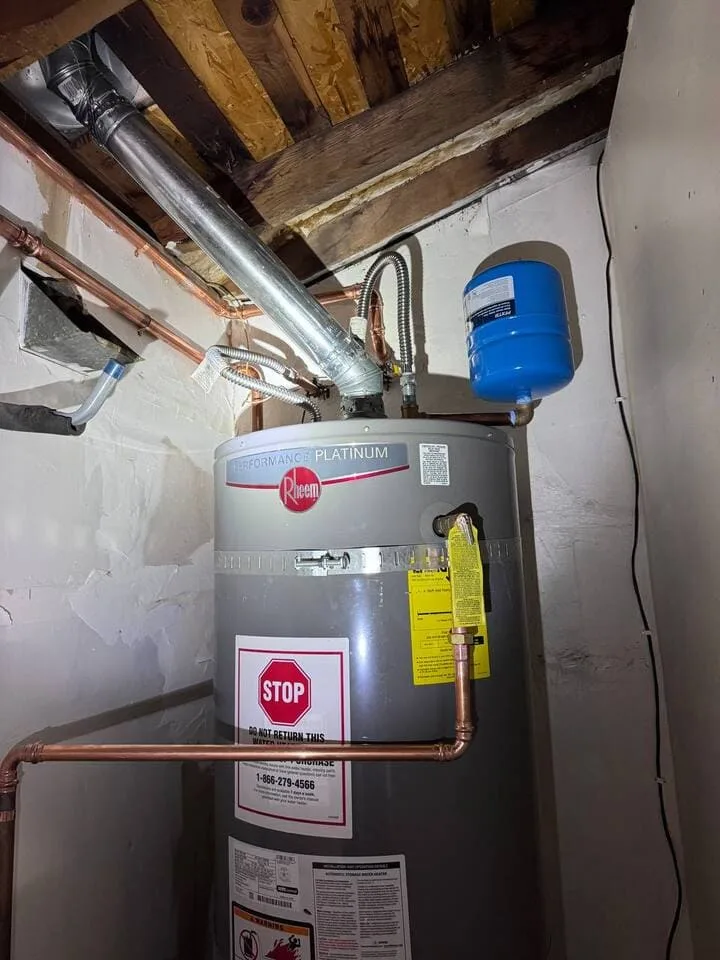
The Bay Area's water heater rules have caused plenty of confusion, but homeowners don't need to panic. Existing, working gas water heaters do not have to be removed under BAAQMD Rule 9-6. On November 4, 2026, the Air District approved moving the zero-NOx compliance date for covered small residential water heaters to January 1, 2028, with exemptions for qualifying low-income property owners and properties with significant electrical or space constraints. So what does this actually mean for your home? Let's separate three common myths from the facts.
Myth #1: Do I Have to Replace My Gas Water Heater Immediately?
No. BAAQMD Rule 9-6 does not require homeowners to remove existing, working gas water heaters. The regulation establishes zero-NOx emissions standards for new equipment, with compliance dates depending on the water heater category. Homeowners can continue using their current systems without an immediate replacement.
Myth #2: Are All Gas Water Heaters Banned Starting in 2028?
Not exactly. BAAQMD Rule 9-6 establishes zero-NOx standards for covered replacement water heaters, with different dates and exemptions depending on the equipment and property. The amendments adopted on November 4, 2026, moved the compliance date for covered small residential water heaters to January 1, 2028. Existing working gas water heaters can remain in service. Qualifying low-income property owners and properties with significant electrical or space constraints may be exempt; certain equipment and properties have later dates or other exemptions.
Myth #3: Can I Wait Until My Water Heater Stops Working?
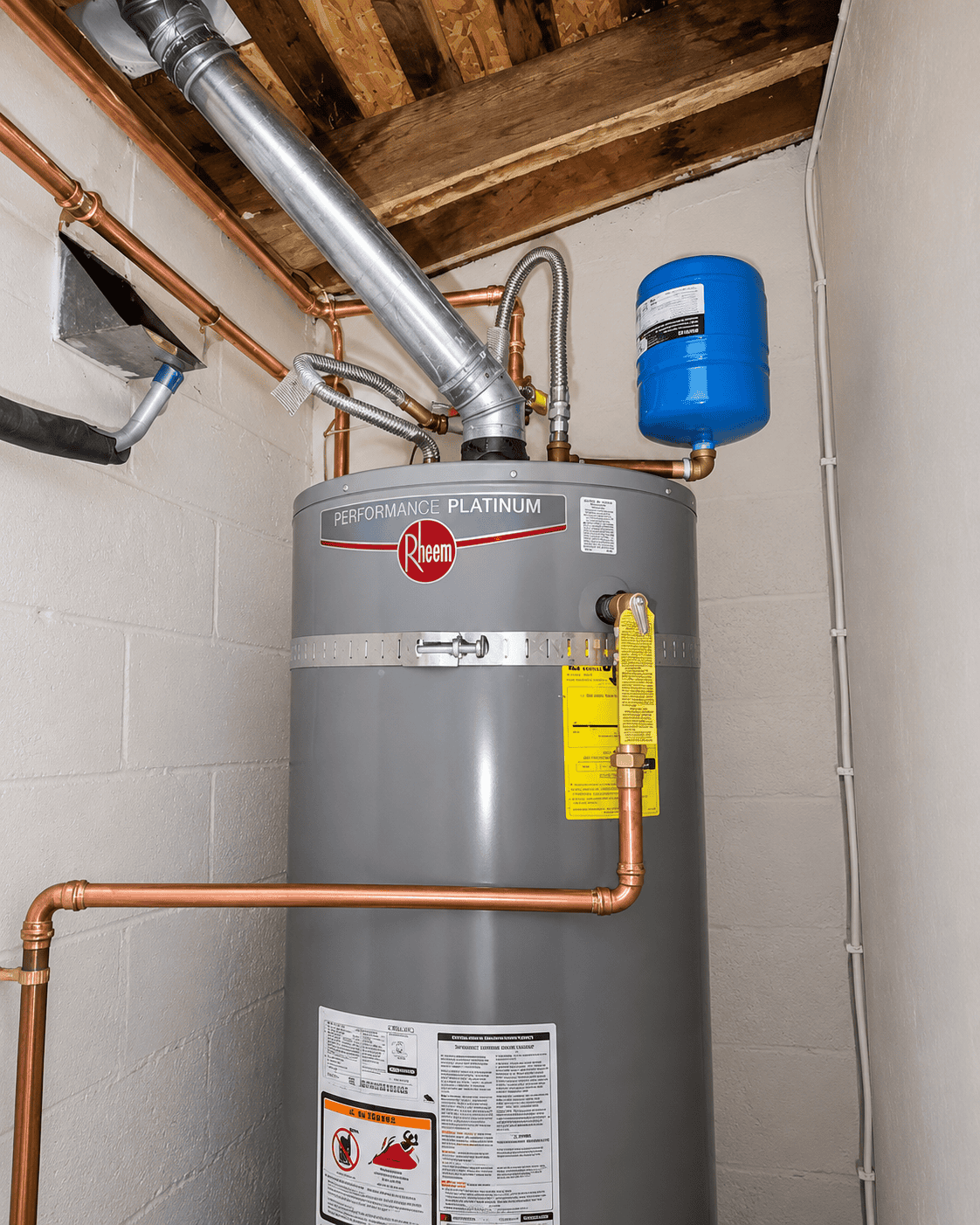
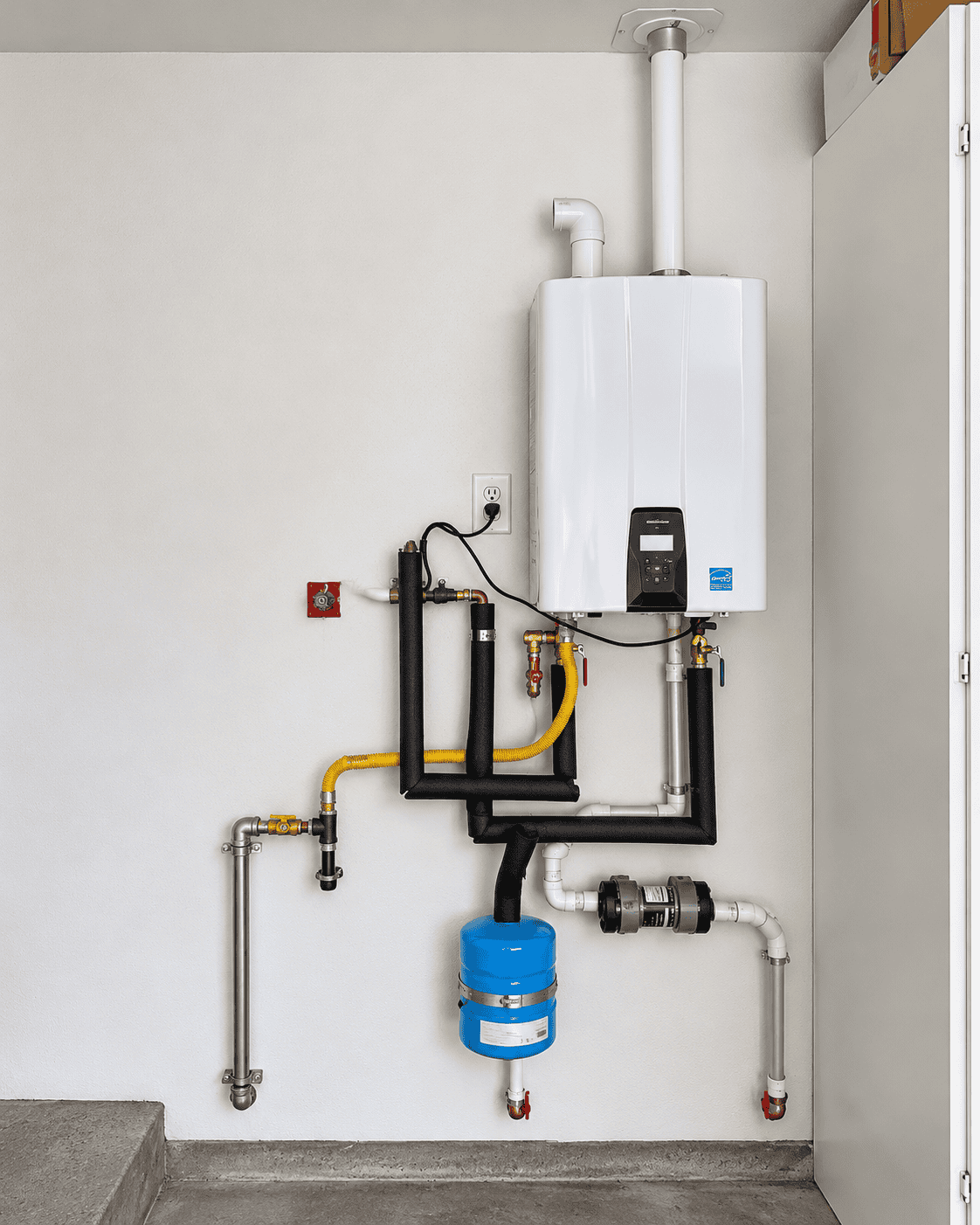
You can continue using your existing gas water heater, but waiting until it fails may leave you with fewer replacement options and less time to prepare. Switching to a heat pump water heater may require evaluating your home's electrical capacity, installation space, ventilation, and condensate drainage. Planning ahead helps homeowners compare suitable systems and avoid making rushed decisions during a hot water emergency.
A qualified plumbing professional can assess your current water heater, explain how the Bay Area regulations apply to your home, and identify any plumbing or electrical upgrades that may be needed. The goal isn't to replace a functioning water heater prematurely. It's to understand your options before a replacement becomes urgent.

What Happens When It's Time to Replace a Gas Water Heater?
When your existing gas water heater reaches the end of its service life, the available replacement options will depend on the equipment type, applicable compliance date, and any exemptions in effect at that time.
A heat pump water heater is one option to consider. Installation requirements can vary depending on electrical capacity, available space, airflow, plumbing connections, and condensate drainage. In San Jose, replacing a water heater also requires a plumbing permit, and some installations may require an electrical permit.
United HVAC, Plumbing & Electrical can evaluate your current system, explain your replacement options, and provide an installation estimate before you make a decision.
The Bottom Line: Plan Ahead, Don't Panic
The Bay Area's water heater regulations don't mean homeowners must immediately replace working gas equipment. They introduce new emissions standards for qualifying replacement systems, with compliance dates that vary by equipment category.
For homeowners, the smartest approach is to understand the rules, monitor the condition of existing equipment, and explore replacement options before an emergency.
Frequently Asked Questions
Get In Touch
Schedule a Service
Tell us a little about what your home needs.
Trusted HVAC, Plumbing & Electrical Experts
Ready to work with a team that truly cares about your home? Contact us today!