Plumbing Guides

When to Plan a Water Heater Replacement in the Bay Area

When should you plan a water heater replacement in the Bay Area? Learn the warning signs, repair vs. replacement options, electrical and permit checks, and how Rule 9-6 may affect your plans.

When to Plan a Water Heater Replacement in the Bay Area

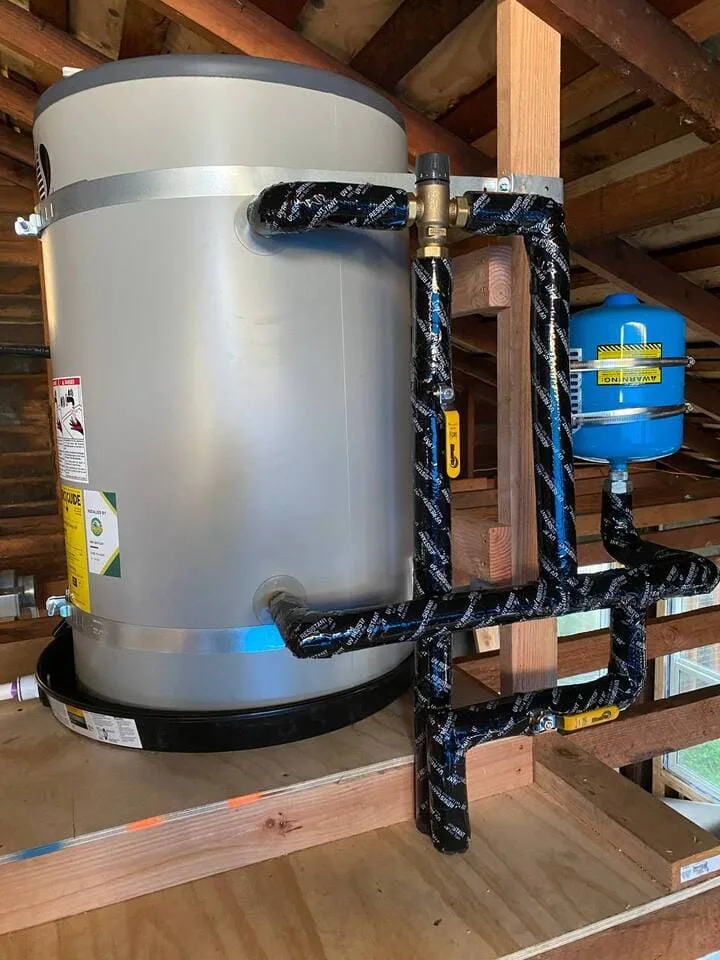
Water heaters rarely fail at a convenient time. If your system is getting older, planning ahead gives you time to compare replacement options, assess your home's electrical capacity, and understand how Bay Area regulations may affect your next installation. BAAQMD Rule 9-6 does not require homeowners to remove working water heaters. On November 4, 2026, the Air District adopted a January 1, 2028 zero-NOx compliance date for covered small residential water heaters, with exemptions for qualifying low-income property owners and properties with significant electrical or space constraints.

You don’t need to replace a working water heater today, but you should know your options before it fails. Checking your current system, available installation space, and electrical panel capacity early can help you make an informed decision and avoid the pressure of an emergency replacement.

Replace Now or Wait? 3 Water Heater Scenarios

The right time to replace a water heater depends on its condition, not just its age. A working system may only need monitoring, while recurring problems or leaks call for a professional assessment. Here's how to decide what to do next.

Keep It, Plan Ahead

If your water heater works reliably, with no visible leaks or recurring problems, an immediate replacement may not be necessary.

NEXT STEP Check the unit's age and maintenance history. Start exploring future replacement options.

Start Planning

Inconsistent hot water, unusual noises, corrosion, or repeated repairs can signal that your system needs professional attention.

NEXT STEP Schedule an inspection and compare repair costs with replacement options.

Call a Plumber Promptly

A leaking tank, repeated shutdowns, or a sudden loss of hot water deserves prompt professional assessment. Not every problem requires a full replacement, but delaying diagnosis can make matters worse.

NEXT STEP Arrange a professional diagnosis before deciding between repair and replacement.

What to Check Before Replacing Your Water Heater

Before ordering a new water heater, look at the conditions in your home rather than choosing by tank size alone. Electrical capacity, available installation space, hot water demand, and local permit requirements can all affect which system makes sense and how much the project will cost.
Check Your Electrical Panel

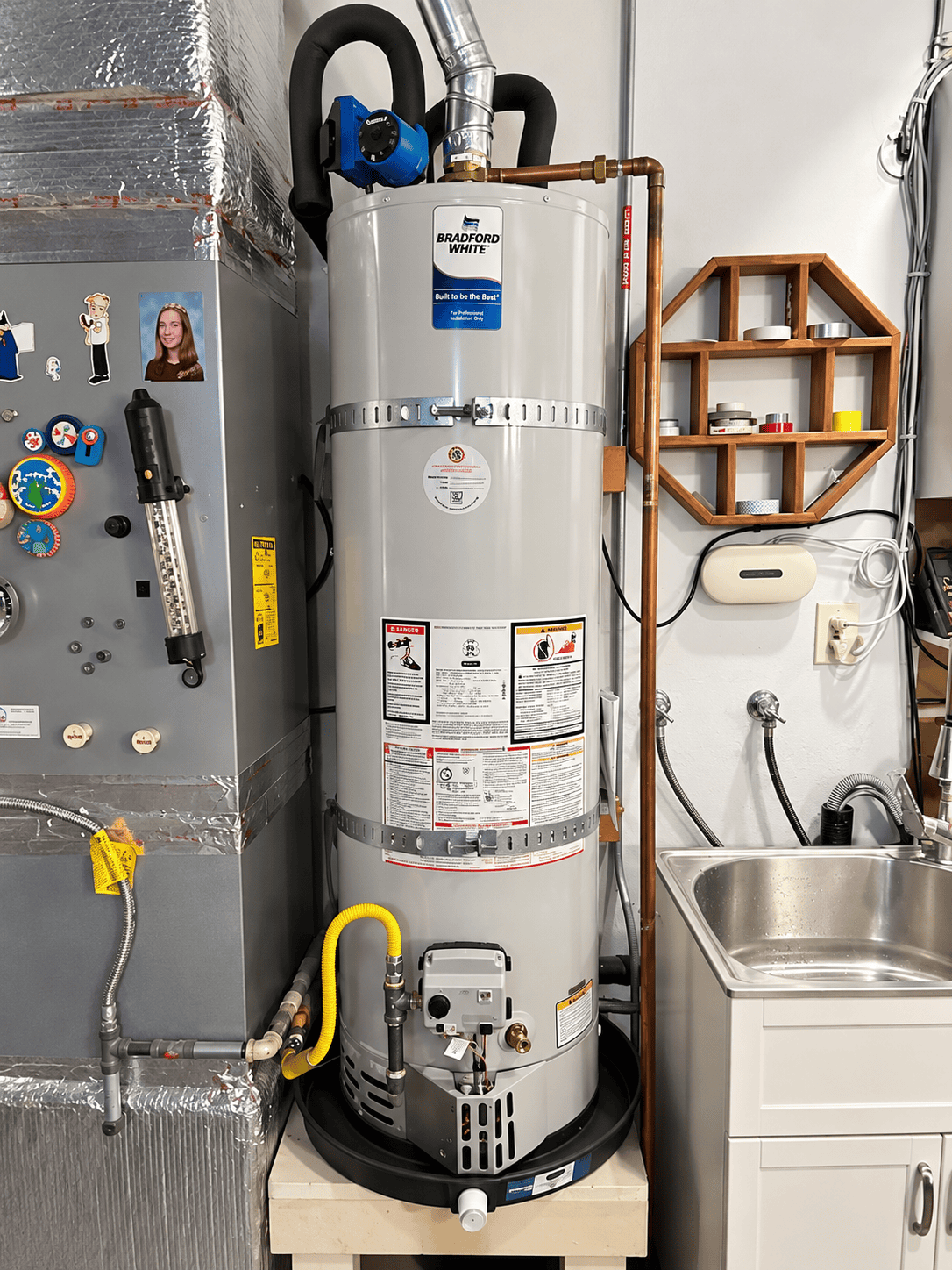
Switching from gas to a heat pump water heater may require electrical work. Have a qualified professional check your panel capacity, available circuits, and the requirements of the proposed model.

WHAT TO ASK Would a 120V or 240V system work in my home?

Measure the Available Space

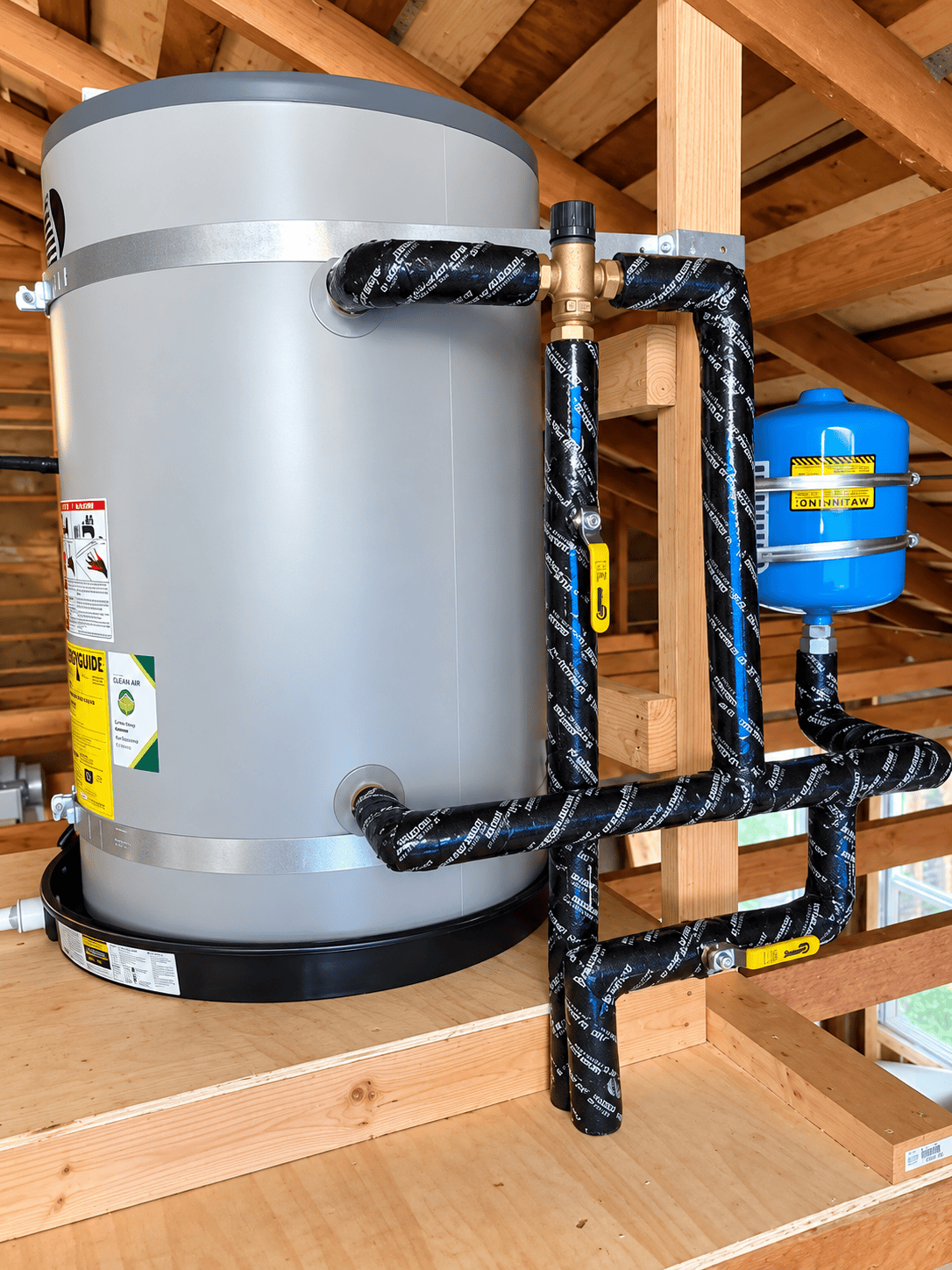
Heat pump water heaters need suitable airflow, service clearance, and condensate drainage. Check the available space in your garage, utility room, or other installation area.

WHAT TO ASK Is there enough space and ventilation for the new unit?

Review Your Hot Water Needs

Consider household size, simultaneous hot water use, and your current system's performance. Compare water heater types and first-hour ratings rather than relying on tank capacity alone.

WHAT TO ASK Which system can meet our household's daily demand?

Confirm Permits and Rules

Check local plumbing and electrical permit requirements before scheduling installation. Also confirm which BAAQMD Rule 9-6 provisions apply to your replacement project.

WHAT TO ASK What permits, inspections, and compliance rules apply?
i
For San Jose homeowners

Water heater replacement requires a plumbing permit. Heat pump water heater installations also require an electrical permit. See the City of San Jose's permit guidance.

How Rule 9-6 Affects Your Replacement Timeline

Bay Area Air District Rule 9-6 introduces zero-NOx emission standards for new water heaters, with different compliance dates depending on equipment size. These requirements do not force homeowners to remove working gas water heaters. However, understanding the timeline can help you prepare for your next replacement instead of making decisions during an emergency.

JAN 1 2027
PREVIOUS DATE | SUPERSEDED

Small Residential Water Heaters

The previous January 1, 2027 date for covered small residential water heaters was moved to January 1, 2028 by the amendments adopted on November 4, 2026.

JAN 1 2028
ADOPTED NOVEMBER 4, 2026

Approved One-Year Extension

The zero-NOx compliance date for covered small residential water heaters is January 1, 2028. Exemptions apply to qualifying low-income property owners and properties with significant electrical or space constraints.

JAN 1 2033
CURRENT ADOPTED RULE

Larger Water Heaters and Boilers

January 1, 2033 applies to larger water heaters and certain other categories, including multifamily buildings and deed-restricted affordable housing. Water heaters of 30 gallons or less and mobile home water heaters are exempt from the zero-NOx standard. Confirm the category and requirements for your installation.

NOV 04
Rule Update Adopted

The BAAQMD Board adopted the extension and exemptions on November 4, 2026. Existing working gas water heaters can remain in service; the standard applies when covered equipment is replaced.

View official BAAQMD updates →
What This Means for Your Home

You do not have to replace a working water heater simply because a compliance date arrives. Planning ahead gives you time to review future equipment requirements, installation conditions, and available options.

Plan Your Water Heater Replacement With Confidence

Not sure whether to repair, replace, or wait? Get a professional assessment of your current water heater, installation conditions, and available options. Our local team can help you plan the next step before a breakdown.

How to Avoid an Emergency Water Heater Replacement

A planned water heater replacement gives you more control over the process. Instead of choosing equipment during a breakdown, you can assess your current system, compare installation options, and understand the full project cost. Here's a practical way to prepare before an emergency happens.

  1. ASSESS THE CONDITION

    Get Your Current System Checked

    If your water heater is aging, losing efficiency, or needing frequent repairs, schedule a professional assessment. A plumber can help determine whether repair is still practical or replacement should be part of your near-term plan. Learn about our water heater repair services in San Jose.

  2. UNDERSTAND THE COST

    Budget Beyond the Equipment Price

    A replacement estimate should account for the water heater, labor, permits, removal of the old unit, and any necessary plumbing or electrical modifications. Ask for an itemized quote and check whether your project qualifies for available rebates.

  3. COMPARE YOUR OPTIONS

    Choose a System That Fits Your Home

    Compare compatible water heater types based on hot water demand, efficiency, installation requirements, and applicable local rules. For example, a heat pump water heater may require additional space or electrical work. Explore our water heating and filtration services.

  4. PLAN THE INSTALLATION

    Choose Your Timing Before a Breakdown

    Once you understand your options, confirm equipment availability, permits, installation requirements, and a suitable appointment date. Keep an emergency contact handy in case your existing unit develops a serious problem before the planned replacement.

Make Your First Appointment More Useful

Take a photo of the water heater's model label, note its approximate age, and describe any recurring problems. These details can help the technician prepare for your assessment.

The Bottom Line: Plan for Your Home, Not Just the Deadline

A working water heater does not need to be replaced simply because the Bay Area is introducing new equipment standards. The better question is whether your current system is reliable and what your home will need when the time comes to replace it.

If your water heater is showing signs of wear, have it inspected before it fails. An early evaluation can help you decide whether a repair makes sense, which replacement options fit your home, and whether electrical work or permits could affect the project.

United HVAC, Plumbing & Electrical helps homeowners in San Jose and surrounding Bay Area communities assess their water heaters and plan replacements without unnecessary last-minute pressure.

Water Heater Replacement Planning: Frequently Asked Questions

When should I start planning a water heater replacement?

Start planning when your water heater is getting older, needs frequent repairs, or no longer delivers reliable hot water. Age alone does not mean a unit must be replaced, but an early inspection can help you avoid making an expensive decision during an unexpected breakdown.

Is it better to replace a water heater before it fails?

It depends on the system's condition. If your water heater works reliably and has no significant problems, you may be able to keep using it. If there are leaks, corrosion, or repeated failures, a planned replacement may be more practical than waiting for an emergency.

Do Bay Area homeowners have to replace gas water heaters before 2028?

No. BAAQMD Rule 9-6 does not require homeowners to remove working gas water heaters. On November 4, 2026, the Air District adopted a January 1, 2028 zero-NOx compliance date for covered small residential water heaters. Exemptions apply to qualifying low-income property owners and properties with significant electrical or space constraints, with later dates or other exemptions for certain categories. Confirm the requirements for your specific replacement.

Will switching to a heat pump water heater require an electrical panel upgrade?

Not necessarily. The answer depends on your home's electrical capacity, available circuits, and the requirements of the selected water heater. Some installations can use existing electrical infrastructure, while others need additional wiring or a panel upgrade. A professional assessment is the best starting point.

Do I need a permit to replace a water heater in San Jose?

Yes. The City of San Jose requires a plumbing permit for water heater installation or replacement. Heat pump water heater installations also require an electrical permit. A contractor can help determine the necessary approvals and inspections for your project.

What affects the cost of a water heater replacement?

The total cost depends on the type and size of the new water heater, installation labor, permits, removal of the existing unit, and any required plumbing or electrical changes. Comparing itemized estimates before an emergency gives you more time to understand your options and available rebates.

Get In Touch

CALL US(408) 539-6936Emergency line: 24/7
EMAIL US[email protected]Response within 24h
SERVICE AREASan Francisco Bay AreaAll major cities
OFFICE HOURSMonday to Sunday8 AM to 10 PM

Schedule a Service

Tell us a little about what your home needs.

Form

Trusted HVAC, Plumbing & Electrical Experts

Ready to work with a team that truly cares about your home? Contact us today!

Call: (408) 539-6936

Schedule My Visit

Form