PLUMBING GUIDES · BAY AREA WATER HEATER RULES

BAAQMD Rule 9-6 Explained: What Bay Area Homeowners Need to Know

What does the Bay Area's new water heater rule actually mean? Here's a clear explanation of BAAQMD Rule 9-6, which systems it covers, what zero-NOx means, and how the requirements affect homeowners.

LU
By Luis Plumbing team
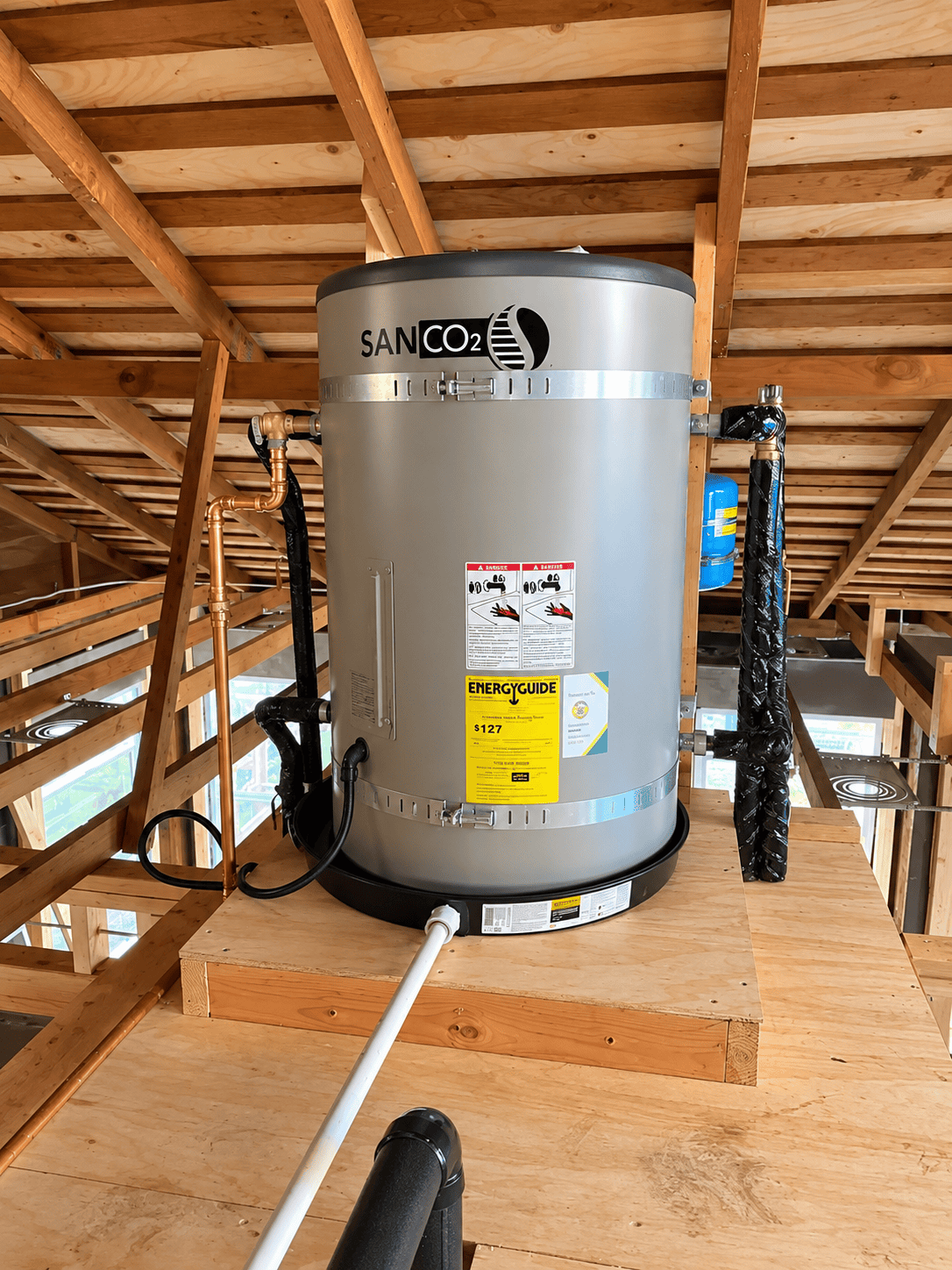
SANCO2 residential water heating system with insulated pipes and a wooden support platform in the attic
SANCO₂ Water Heating System

The Bay Area's water heater rules can sound confusing, especially when headlines describe them as a gas appliance ban. In reality, BAAQMD Rule 9-6 establishes new nitrogen oxide (NOx) emission standards for certain water heaters. The requirements are being phased in over time and do not force homeowners to remove equipment that is already working.

Here's what the rule covers, how the compliance dates work, and what it means when you eventually need a new water heater.

→ RULE 9-6 IN SIMPLE TERMS

Rule 9-6 sets emission standards for new water heaters. It does not require you to replace a working unit. The adopted zero-NOx compliance date for new small water heaters is January 1, 2027. BAAQMD is considering a one-year extension to January 2028 and additional exemptions. The proposed changes are scheduled for Board consideration on November 4, 2026.

What Is BAAQMD Rule 9-6?

No. BAAQMD Rule 9-6 does not require homeowners to remove existing, working gas water heaters. The regulation establishes zero-NOx emissions standards for new equipment, with compliance dates depending on the water heater category. Homeowners can continue using their current systems without an immediate replacement.

The key distinction is that the rule changes the standards for new equipment. It does not require homeowners to remove existing, working gas water heaters.

HOW THE RULE WORKS
  1. 01
    THE REGULATOR

    BAAQMD Sets Emission Standards

    The Bay Area Air District regulates NOx emissions from certain natural gas-fired water heaters and boilers.

  2. 02
    NEW EQUIPMENT

    New Units Must Meet the Standards

    Covered equipment manufactured after the applicable compliance date must meet the new emission limits.

  3. 03
    HOMEOWNERS

    Working Systems Can Stay in Service

    Homeowners are not required to remove existing working water heaters simply because a new standard takes effect.

In simple terms

Rule 9-6 changes what new equipment must meet, not when every homeowner must replace their existing water heater.

Which Water Heaters Does Rule 9-6 Cover?

Rule 9-6 covers certain natural gas-fired water heaters and boilers in the Bay Area. The requirements depend on the appliance's rated heat input, measured in BTU per hour (BTU/hr), rather than just the size of its storage tank.

A typical residential gas tank water heater and a higher-output tankless system may fall into different compliance categories. The equipment's manufacturer label is the best place to start when identifying its input rating.
TWO MAIN COMPLIANCE CATEGORIES
TYPICAL RESIDENTIAL SYSTEMS

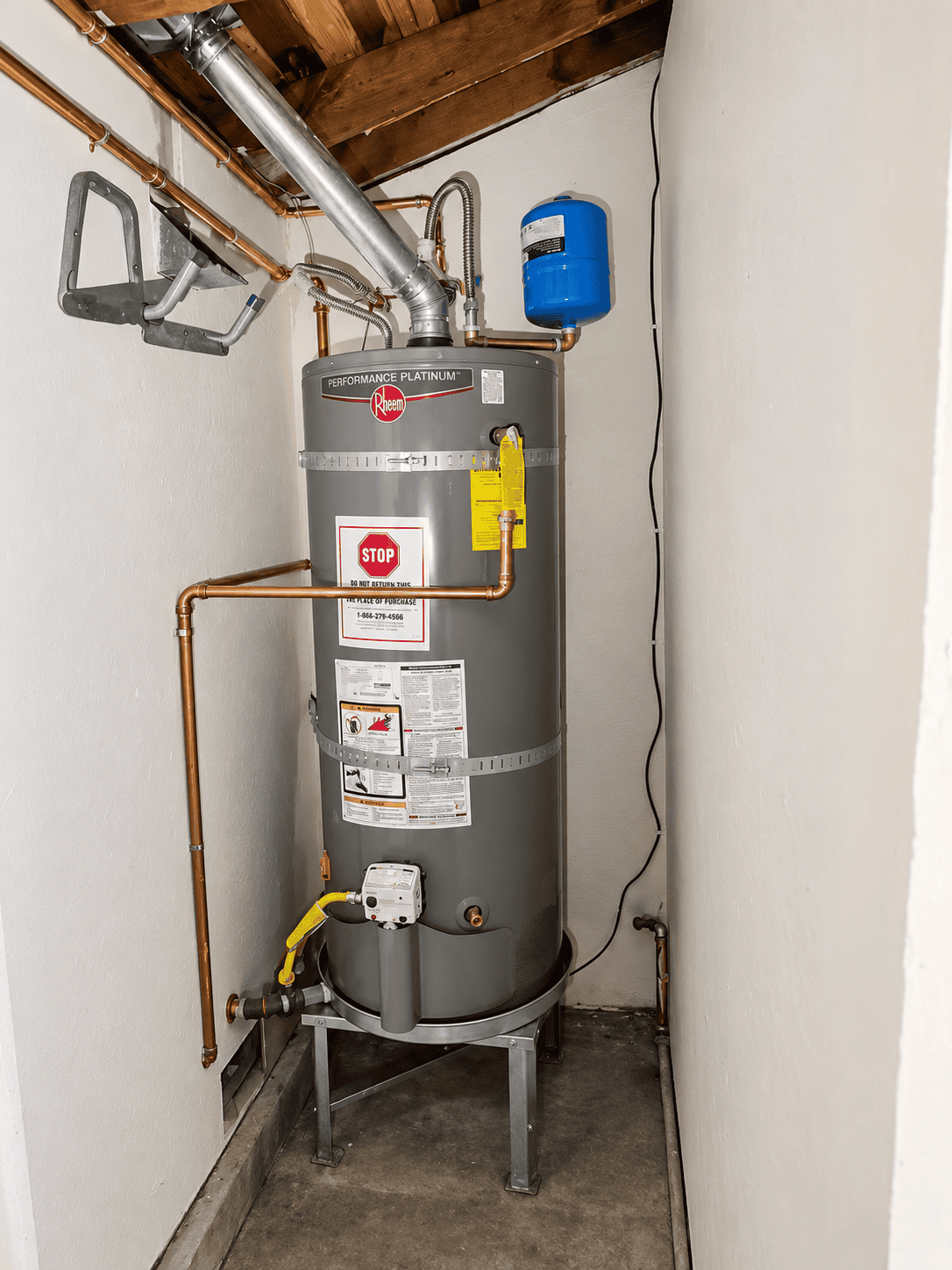
Small Gas Water Heaters

Under 75,000 BTU/hr

This category generally includes conventional residential gas storage water heaters, such as many 40- and 50-gallon tank models.

ADOPTED COMPLIANCE DATE January 1, 2027
HIGHER-OUTPUT SYSTEMS

Larger & Tankless Water Heaters

75,000 to 2 million BTU/hr

This category includes larger gas water heaters and many gas tankless systems. Certain commercial and multifamily installations also fall within this range.

ADOPTED COMPLIANCE DATE January 1, 2031
How Do You Know Which Category Applies?

Check the manufacturer's rating label for the input in BTU/hr. A tank's capacity in gallons is not the same as its heat input rating.

What About Other Gas Appliances?

Rule 9-6 is not a blanket ban on all natural gas appliances. Furnaces are addressed separately under BAAQMD Rule 9-4, while appliances such as gas cooktops are not covered by these water heater standards.

Existing, working water heaters do not have to be removed simply because a compliance date arrives.

PROPOSED CHANGE · OCTOBER 2026

BAAQMD is considering moving the small water heater compliance date from January 2027 to January 2028, with additional exemptions. This change has not yet been adopted.

View the official Rule 9-6 updates →

What Does Zero-NOx Actually Mean?

Zero-NOx means that a water heater meets a standard requiring no nitrogen oxide emissions during operation. NOx refers to nitrogen oxides, a group of air pollutants associated with fuel combustion. These pollutants contribute to ground-level ozone and fine particulate pollution, which can affect respiratory health.

Zero-NOx is not the same as zero-carbon or zero environmental impact. To understand the difference, it helps to separate local air pollutants from greenhouse gas emissions.

TWO DIFFERENT TYPES OF EMISSIONS
NOx LOCAL AIR QUALITY

Nitrogen Oxides

A group of pollutants produced during combustion. NOx contributes to smog, ground-level ozone, and fine particulate pollution.

RULE 9-6 FOCUS Direct NOx emissions from covered equipment
CO2 CLIMATE IMPACT

Carbon Dioxide

A greenhouse gas released when fossil fuels are burned. CO2 contributes to long-term climate change rather than being the pollutant directly targeted by Rule 9-6.

DIFFERENT ISSUE Overall greenhouse gas emissions
HOW THIS RELATES TO WATER HEATERS
Gas water heater

Burns natural gas to heat water. Combustion can produce NOx and CO2 at the appliance.

Electric heat pump water heater

Uses electricity to move heat. No gas combustion at the appliance means no on-site combustion NOx.

Does Zero-NOx Mean Zero Emissions?

No. Zero-NOx refers to the appliance's nitrogen oxide emission standard. Electricity generation and other parts of a product's life cycle may still involve emissions.

Have Questions About Your Water Heater?

Not sure how BAAQMD Rule 9-6 may affect your home? United HVAC, Plumbing & Electrical can assess your existing water heater, identify available repair and replacement options, and help you understand the next steps for your home in San Jose or the surrounding Bay Area.

What Happens to Existing Gas Water Heaters?

Existing gas water heaters are not subject to an automatic replacement deadline under BAAQMD Rule 9-6. If your system is working safely, you can continue using it. The distinction becomes important when you need to repair the existing equipment or install a new water heater.

Here's how the requirements differ depending on what happens to your current system.

01 KEEP
WORKING EQUIPMENT

Continue Using Your Water Heater

You do not need to remove a functioning gas water heater simply because a Rule 9-6 compliance date arrives. Existing systems can remain in service as long as they operate safely.

02 REPAIR
MAINTENANCE AND REPAIRS

Repair an Existing System When Appropriate

A repair is not automatically the same as installing a new water heater. A qualified plumber can evaluate whether your current unit can be safely repaired and whether the proposed work meets applicable requirements.

03 REPLACE
NEW EQUIPMENT

Follow the Rules When Installing a Replacement

When replacement becomes necessary, the available equipment must meet the rules applicable to its category, manufacture date, sale, and installation. A like-for-like gas replacement may not always be available after the applicable compliance date.

The Key Difference

Keeping or repairing existing equipment is different from purchasing and installing a replacement. Rule 9-6 focuses on emission standards for new equipment, not mandatory removal of working units.

Understanding the Rule 9-6 Compliance Timeline

The zero-NOx requirements under BAAQMD Rule 9-6 have different compliance dates depending on a water heater's rated heat input. The schedule applies to covered new equipment and does not establish a mandatory replacement date for working water heaters already installed in Bay Area homes.

A proposed amendment could change the first compliance date, so it is important to distinguish the adopted rule from changes still under consideration.

JAN 1 2027
CURRENT ADOPTED RULE

Small Water Heaters

The adopted zero-NOx compliance date for newly manufactured small gas water heaters rated below 75,000 BTU/hr. This category includes many conventional residential gas tank water heaters.

JAN 1 2028
PROPOSED · NOT ADOPTED

Possible One-Year Extension

BAAQMD is considering moving the small water heater compliance date from January 2027 to January 2028. The proposal also includes exemptions for certain qualifying homeowners and installation constraints.

JAN 1 2031
CURRENT ADOPTED RULE

Larger Water Heaters

The adopted compliance date for covered gas water heaters rated from 75,000 to 2 million BTU/hr. This includes many higher-output and tankless systems.

NOV 04 2026
Upcoming BAAQMD Decision

The Air District Board is scheduled to consider amendments to Rule 9-6 on November 4, 2026. Until formally adopted, the proposed extension and exemptions are not part of the current rule.

Check official Rule 9-6 updates →
Important for Homeowners

These are equipment compliance dates, not deadlines for homeowners to remove working water heaters. Check your system's BTU/hr input rating and current replacement requirements before choosing a new unit.

What Should Bay Area Homeowners Do Next?

For most Bay Area homeowners, understanding Rule 9-6 starts with knowing what kind of water heater is already installed. You don't need to replace a safely functioning unit just because a compliance date is approaching.

A few basic checks can help you understand which requirements may apply when your water heater eventually needs to be replaced.

01

Identify Your Water Heater

Check the manufacturer's label for the model, fuel type, and heat input rating in BTU/hr. This helps determine which Rule 9-6 category may apply.

02

Understand Its Current Condition

Look for leaks, corrosion, inconsistent hot water, or unusual noises. A plumber can help determine whether the existing system needs maintenance or repair.

03

Know Your Replacement Options

Before installing a new unit, consider available space, electrical capacity, hot water demand, and local permit requirements.

04

Check the Latest Rule Updates

BAAQMD is considering amendments to Rule 9-6. Confirm the requirements in effect when selecting and installing replacement equipment.

Want to plan a replacement?

Read our guide on when to plan a water heater replacement for a closer look at timing, installation preparation, and replacement decisions.

The Bottom Line: What Rule 9-6 Means for Your Home

BAAQMD Rule 9-6 establishes stricter nitrogen oxide emission standards for certain new gas water heaters in the Bay Area. It does not require homeowners to immediately remove working equipment, and its compliance dates depend on the type and heat input rating of the new system.

For homeowners in San Jose and surrounding Bay Area communities, the practical takeaway is simple: know which water heater you have, keep it maintained, and confirm the current requirements before choosing a replacement.

United HVAC, Plumbing & Electrical can help assess your existing water heater, explain available repair and replacement options, and evaluate the installation conditions in your home.

BAAQMD Rule 9-6: Frequently Asked Questions

What Is the Difference Between BAAQMD Rule 9-4 and Rule 9-6?

Rule 9-4 addresses nitrogen oxide emissions from certain residential and commercial furnaces, while Rule 9-6 covers certain natural gas-fired water heaters and boilers. Both rules are administered by the Bay Area Air District, but they apply to different types of equipment and have different compliance schedules.

Which Water Heaters Are Covered by Rule 9-6?

Rule 9-6 regulates certain natural gas-fired water heaters and boilers. The requirements depend on the equipment's rated heat input, measured in BTU/hr. Small gas water heaters rated below 75,000 BTU/hr have a different compliance schedule from larger systems rated between 75,000 and 2 million BTU/hr. Electric water heaters do not burn natural gas at the appliance.

How Can I Find My Water Heater's BTU/hr Rating?

Look for the manufacturer's rating label on your water heater. It usually lists the model number, fuel type, and input rating in BTU/hr. Do not confuse the tank's capacity in gallons with its heating input. For example, two 50-gallon water heaters may have different BTU/hr ratings. If the label is missing or difficult to read, check the manufacturer's specifications or ask a qualified plumber.

Does Rule 9-6 Require Me to Replace My Existing Gas Water Heater?

No. Rule 9-6 does not establish a mandatory deadline for homeowners to remove existing, working gas water heaters. You can continue using equipment that operates safely. If your system needs repair or replacement, the appropriate options will depend on its condition, the applicable requirements, and the equipment available at that time.

When Do the Rule 9-6 Zero-NOx Standards Take Effect?

Under the rule adopted in 2023, the zero-NOx standard for new small gas water heaters begins with equipment manufactured on or after January 1, 2027. The adopted compliance date for larger covered water heaters is January 1, 2031. As of October 30, 2026, BAAQMD is considering moving the small water heater date to January 2028 and adding exemptions. The Board is scheduled to consider these changes on November 4, 2026.

Does Rule 9-6 Mean I Must Install a Heat Pump Water Heater?

Rule 9-6 establishes an emissions standard rather than requiring a specific water heater brand or model. Electric heat pump water heaters are one way to achieve zero on-site combustion NOx emissions. However, the right replacement depends on the applicable rules, installation space, electrical capacity, and your household's hot water needs. Any available exemptions should also be checked before making a decision.

IN THIS ARTICLE